April 30, 2026
In a competitive market, businesses must employ every tool at their disposal to stand out and attract customers. Signage is one of the most effective and cost-efficient ways to ensure your business captures attention and communicates its brand message. With modern production methods and creative design options, a sign has evolved far beyond simple placards to become a dynamic part of business strategy.
A business sign serves as more than just a marker for your location; it represents your brand identity to the world. Whether it is drawing in customers off the street or reinforcing a consistent brand image to those passing by, a well-designed sign is vital. Signage plays a direct role in influencing customer decisions and increasing awareness, making a practical investment for businesses of all sizes.
The decision to invest in a sign should not be delayed, as it plays a key role in both local marketing efforts and overall branding strategy. As competitive pressure mounts, having an effective sign can mean the difference between blending into the background and standing out as a destination of choice. Whether you are a new business drawing in initial curiosity or an established entity reinforcing your brand presence, the right sign helps connect with your target audience.
Effective Business Signage Strategies
Discuss First Impressions and Branding
First impressions are critical in business, and often a sign is one of the first interactions a customer has with your brand. A well-crafted sign provides an instant visual communication of your brand's values and personality. By effectively using color, typography, and imagery, your sign can convey professionalism and clarity while helping distinguish your business from competitors.
Branding goes hand in hand with creating first impressions, and signage is an integral part of this process. It reinforces your brand name and logo, providing a visual anchor that supports all other marketing efforts. Consistency in signage helps create recognition and familiarity, making it easier for customers to remember and return to your business.
Improve Accessibility and Visibility
Accessibility and visibility are crucial components of business signage. A sign must be easy to see during both the day and night, which requires careful consideration of size, placement, and illumination. Strategically positioned signage informs passersby of your location and services, helping guide potential customers directly to your business.
Environmental factors such as lighting, surrounding structures, and weather conditions can all influence how well signage performs. Choosing appropriate colors, fonts, and lighting solutions helps maintain readability and impact. A well-placed and properly designed sign ensures your business remains visible and approachable at all times.
Increase Foot Traffic
Business signage plays an essential role in attracting foot traffic, which directly impacts growth and revenue. A visually appealing sign can catch the attention of passersby and encourage them to explore your offerings. According to the Out of Home Advertising Association of America, 58% of U.S. consumers have reported making a purchase based on information seen on a printed banner or billboard.
The placement, design, and messaging of signage should work together to capture attention quickly and clearly. When done effectively, signage encourages spontaneous visits and increases the likelihood of customer engagement. This supports both short-term traffic and long-term brand recognition for businesses of all sizes.
Essential Types of Business Signs
Display Outdoor Signs
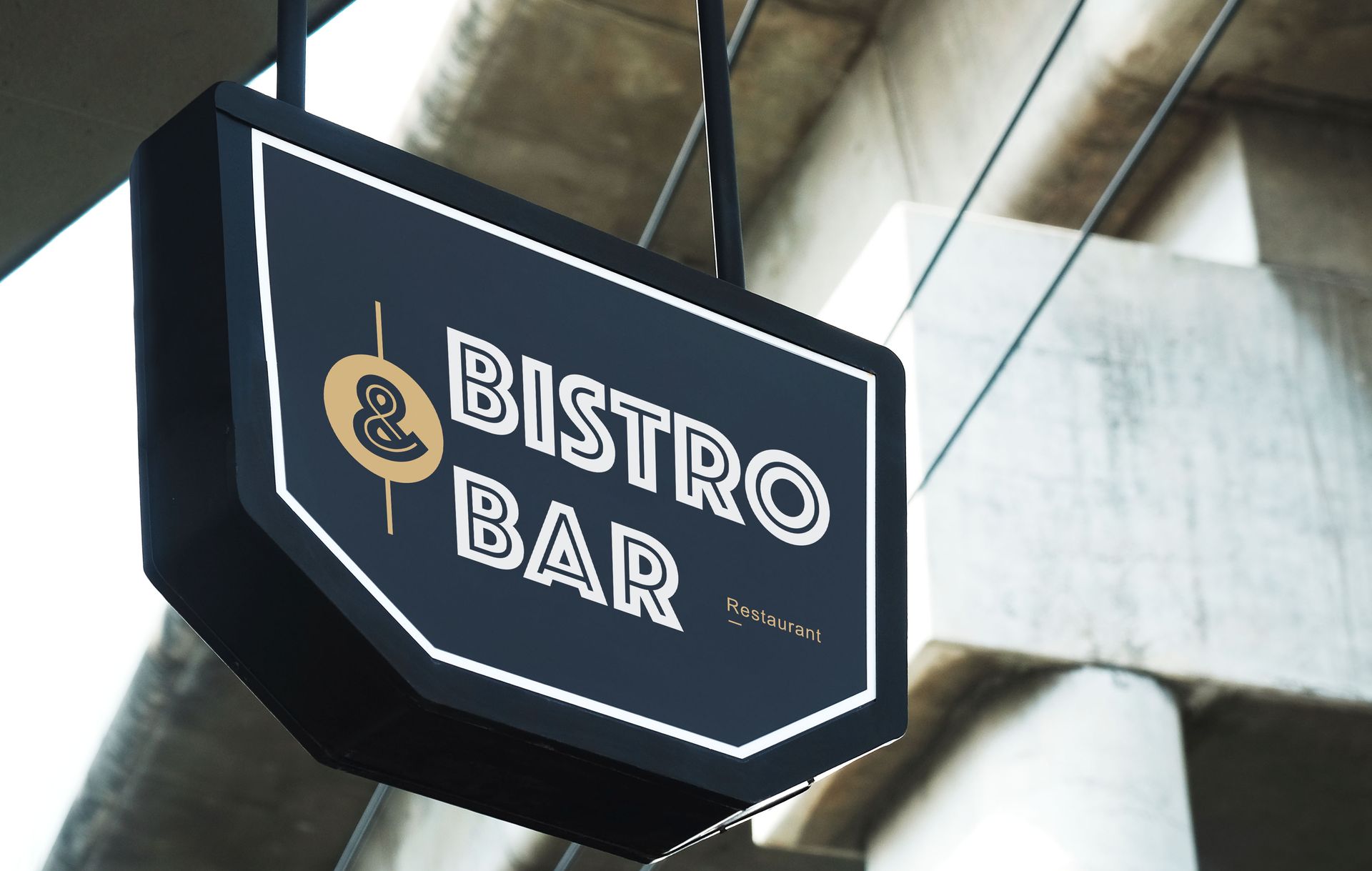
Outdoor signage is often the first point of contact between a business and potential customers. Common types include monument signs, pylon signs, and channel letter signs, each serving a different purpose depending on location and visibility needs. These options help establish presence and make it easier for customers to identify your business from a distance.
Outdoor signage should be constructed with durable materials that can withstand changing weather conditions while maintaining its appearance over time. Using quality materials helps ensure that messaging remains visible and effective, even with long-term exposure to the elements. Careful planning also helps signage remain consistent with surrounding structures and branding goals.
Organize Indoor Signs
Indoor signage supports navigation, communication, and branding within a business space. These can include directional signage, wall graphics, promotional displays, and informational panels. They help guide customers, highlight important information, and contribute to a cohesive environment.
Well-designed indoor signage enhances the overall customer experience by improving clarity and reinforcing brand identity. Consistent visual elements throughout a space create a more polished and professional atmosphere. This consistency supports day-to-day operations while strengthening how customers perceive your business.
Display Digital and LED Signs
Digital and LED signage offers a flexible way to display messages with strong visibility. Their illumination makes them effective during both daytime and nighttime conditions, helping businesses maintain a consistent presence. These options can be especially useful for locations that require high visibility or frequent updates.
Digital and LED signage provides a practical solution for updating messaging as needed. Businesses can highlight promotions, announcements, or branding visuals without replacing physical materials. This allows for efficient communication that can adapt over time while maintaining a cohesive appearance.
Strategic Process for Business Signage
Define Your Business Needs
Identifying the right signage begins with understanding your business goals, audience, and environment. Different industries require different approaches, whether the focus is on attracting attention, reinforcing branding, or guiding customers within a space. Careful evaluation helps determine which options will deliver the most value.
Evaluating location, customer behavior, and messaging priorities helps determine which types of signage will be most effective. A clear strategy ensures that signage supports both visibility and communication in a meaningful way. This approach allows businesses to create signage that aligns with long-term goals.
Select by Location Factors
The location of a business plays a major role in determining signage design and placement. High-traffic areas often benefit from bold, highly visible signage, while quieter locations may prioritize clarity and integration with the surrounding environment. Understanding these differences helps guide better decisions.
Location can also influence signage requirements, including size, placement, and lighting considerations. Being aware of local guidelines helps ensure that signage is installed appropriately and functions as intended. Taking these factors into account early allows for more effective and seamless implementation.
Structured Sign Design and Production
Collaborate with Designers
A successful signage strategy relies on collaboration with skilled designers who can translate brand vision into clear and effective visuals. Designers bring expertise in color, typography, layout, and material selection, helping ensure that each sign aligns with branding goals. Their input also helps maintain readability and consistency across all materials.
Beyond aesthetics, experienced designers consider practical elements such as scale, placement, and production methods. Their input helps ensure that signage performs well in real-world conditions. This includes outdoor installations, storefront displays, and interior applications.
Balance Creativity and Function
Effective signage balances visual appeal with functionality. While creativity helps capture attention, clarity and readability ensure that messaging is understood quickly. A thoughtful design approach considers both elements to create impactful results.
Taking into account placement, lighting, and surrounding elements ensures that signage integrates well into its environment. This balance allows businesses to create signage that supports branding while remaining practical for everyday use. Consistent planning helps maintain effectiveness over time.
Investing in high-quality signage is a strategic way to strengthen visibility, reinforce branding, and improve how customers interact with a business. From exterior displays that capture attention to interior graphics that create a cohesive environment, each element contributes to a more recognizable and professional presence. Thoughtful planning ensures that every component works together to support long-term goals.
Metro East Signs offers a range of solutions designed to support these goals, from custom signage and banners to vehicle graphics and branded displays. With the right approach, signage becomes a lasting asset that supports growth and recognition and helps businesses maintain a consistent visual identity. Learn more about how the right signage can elevate your business.